Quiz template · Education
Solar system quiz questions and answers
20 questions about the planets, the Sun, the moons and what lies between them, with answers and short explanations checked against NASA.
Easy 20 questions 30 s each · about 15 min Checked against two sources
A space round for classrooms, clubs and family quiz nights. The questions move from easy wins, like the Red Planet and the planet with the rings, to facts that surprise most rooms, like a planet whose day is longer than its year and a moon bigger than Mercury. Every answer comes with a one-line explanation you can read out. Twenty questions take about 15 minutes.
How to run it
- After each question, read the explanation aloud. The facts are what students remember.
- After question 3, show a picture of the planets in order so younger players can follow the rest.
- Before question 16, ask the room to guess out loud first. The answer surprises most people.
Questions and answers
1Which planet is nearest to the Sun?Easy
- AVenus
- BMercury
- CEarth
- DMars
Reveal answer
B. Mercury
Mercury is the first planet from the Sun and also the smallest. A year there lasts just 88 Earth days.
2Which planet is often called the Red Planet?Easy
- AMars
- BVenus
- CMercury
- DJupiter
Reveal answer
A. Mars
Iron minerals in the soil of Mars oxidize, or rust, which gives the planet its reddish colour.
3How many planets are in our solar system?Easy
- ASeven
- BNine
- CEight
- DTen
Reveal answer
C. Eight
There are eight: Mercury, Venus, Earth, Mars, Jupiter, Saturn, Uranus and Neptune.
4Which planet is the largest in our solar system?Easy
- ASaturn
- BNeptune
- CEarth
- DJupiter
Reveal answer
D. Jupiter
Jupiter is the largest planet. If it were a hollow shell, about 1,000 Earths could fit inside it.
5Which planet is famous for its bright, wide rings?Easy
- ASaturn
- BMars
- CVenus
- DMercury
Reveal answer
A. Saturn
Saturn's rings are made of billions of chunks of ice and rock. Jupiter, Uranus and Neptune have faint rings too, but none like Saturn's.
6What sits at the centre of our solar system?Easy
- AEarth
- BThe Sun
- CJupiter
- DThe Moon
Reveal answer
B. The Sun
The Sun holds more than 99 percent of the mass of the solar system, and everything else orbits it.
7Which planet is the most distant from the Sun?Medium
- AUranus
- BSaturn
- CNeptune
- DMars
Reveal answer
C. Neptune
Neptune is the eighth planet and the most distant one in our solar system.
8About how long does Earth take to travel once around the Sun?Easy
- A24 hours
- B30 days
- C10 years
- D365 days
Reveal answer
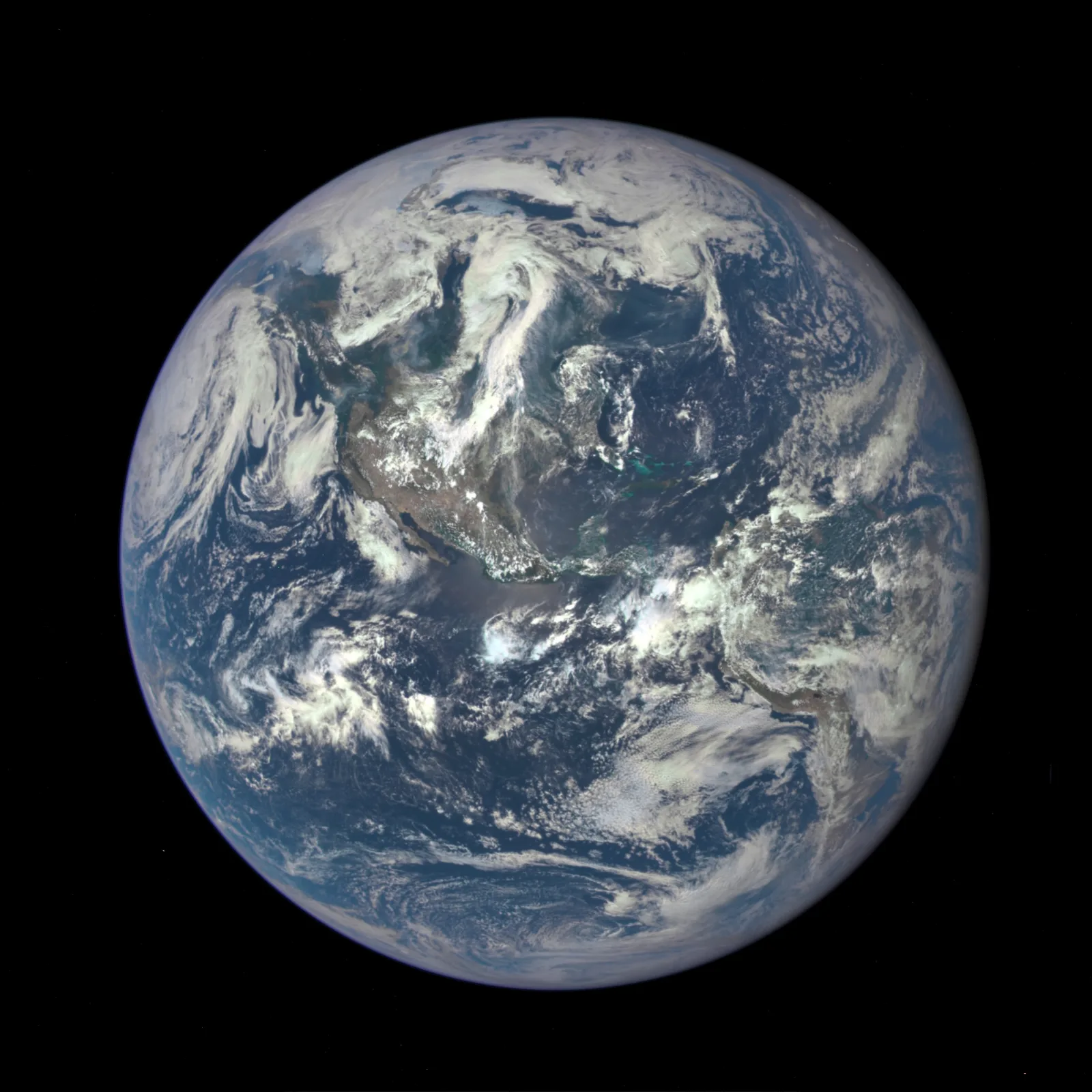
D. 365 days
One orbit takes about 365 and a quarter days. The extra quarter day is why we add 29 February every four years.
9Which planet is the hottest in our solar system?Medium
- AVenus
- BMercury
- CMars
- DJupiter
Reveal answer
A. Venus
Venus is the hottest planet, with surface temperatures of about 465 degrees Celsius, because its thick atmosphere traps heat.
10About how long does sunlight take to reach Earth?Medium
- AAbout 8 seconds
- BAbout 8 minutes
- CAbout 8 hours
- DAbout 8 days
Reveal answer
B. About 8 minutes
Light from the Sun takes about eight minutes to reach Earth, roughly 150 million kilometres away.
11In which year was Pluto reclassified as a dwarf planet?Medium
- A1999
- B2010
- C2006
- D2015
Reveal answer
C. 2006
The International Astronomical Union reclassified Pluto as a dwarf planet in 2006.
12The giant volcano Olympus Mons is on which planet?Medium
- AVenus
- BEarth
- CMercury
- DMars
Reveal answer
D. Mars
Olympus Mons on Mars is the largest volcano in the solar system. It rises about 22 kilometres, more than twice the height of Mount Everest.
13Where is the main asteroid belt?Medium
- ABetween Mars and Jupiter
- BBetween Earth and Mars
- CBeyond Neptune
- DBetween Venus and Earth
Reveal answer
A. Between Mars and Jupiter
Most asteroids orbit the Sun between Mars and Jupiter, in the main asteroid belt.
14Which planet spins on its side, with its axis tilted nearly 98 degrees?Hard
- ANeptune
- BUranus
- CVenus
- DSaturn
Reveal answer
B. Uranus
Uranus has a tilt of about 97.77 degrees, so it appears to spin sideways as it orbits the Sun.
15The Sun is a huge ball of which two gases?Easy
- AOxygen and nitrogen
- BCarbon dioxide and methane
- CHydrogen and helium
- DNeon and argon
Reveal answer
C. Hydrogen and helium
The Sun is a huge ball of hydrogen and helium, held together by its own gravity.
5 more questions in the full pack. Play all 20 live, free.
Get all 20 questions, ready to play live - free for 100 playersQuestions about this template
What age is this solar system quiz for?
The first fifteen suit upper primary and above: the planets in order, the Red Planet, the rings and the Sun. The last five are harder, with dwarf planets and moons, so it stretches secondary pupils and adults too.
How do I run it in a classroom?
Press Go live, show the join code on the board, and pupils answer on tablets or phones. The leaderboard appears after each question. The free plan covers 100 players in a session.
Do players need to install anything?
No. Players open the link or scan the QR code in a browser, enter the PIN and a name, and play. Only the host needs a RiLiFi account.
Are the facts up to date?
Each answer is checked against NASA's planet pages and a second source. Moon counts change as new ones are confirmed, so that question says as of 2026 and names the planet, not a number.
Picture credits
- The whole sunlit face of Earth seen from deep space, with swirling white clouds over blue oceans and North America.: NASAPublic domain
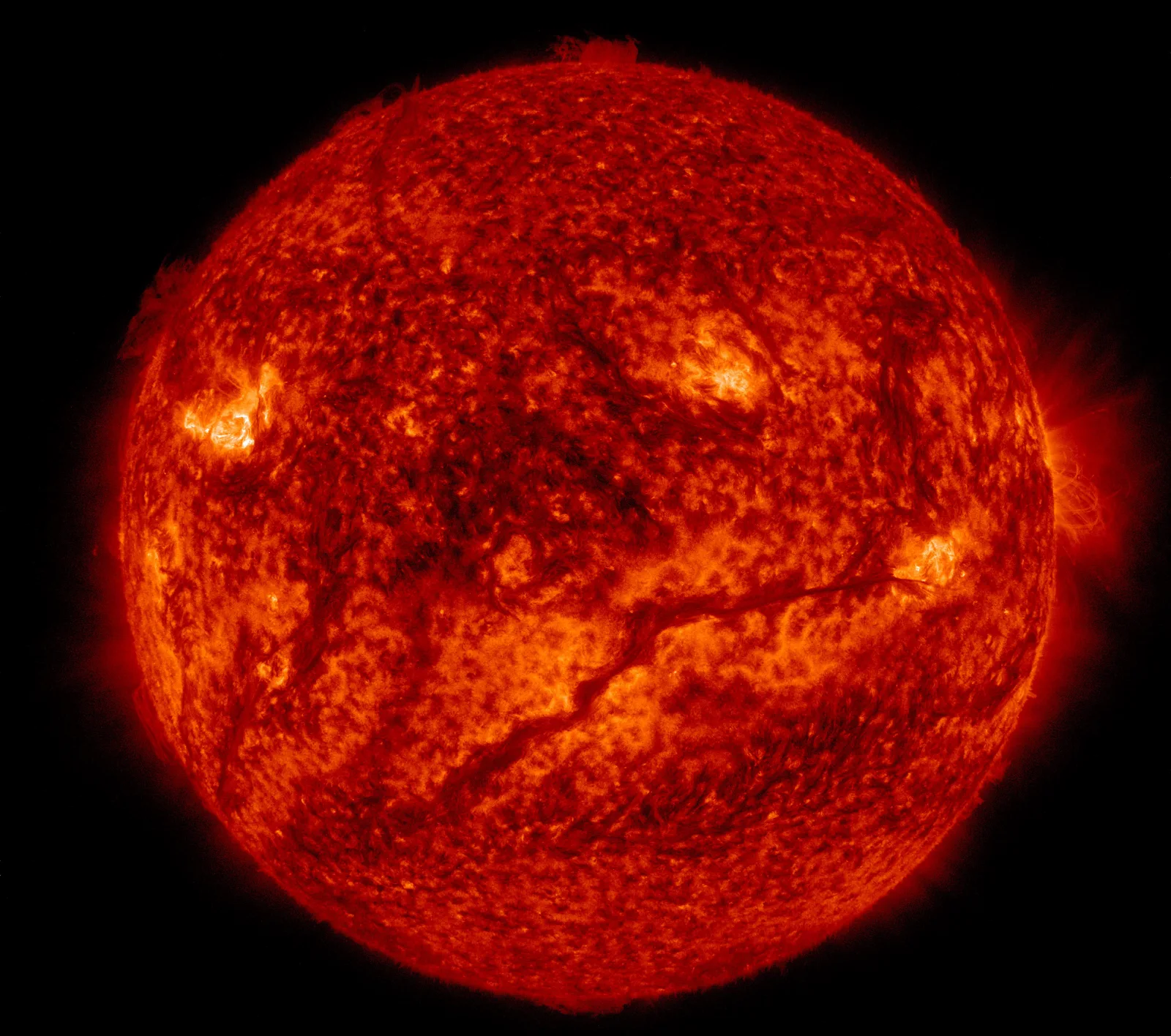
- The full disc of the Sun glowing orange and red against black space, with a long dark filament across it.: NASA/Goddard/SDOPublic domain
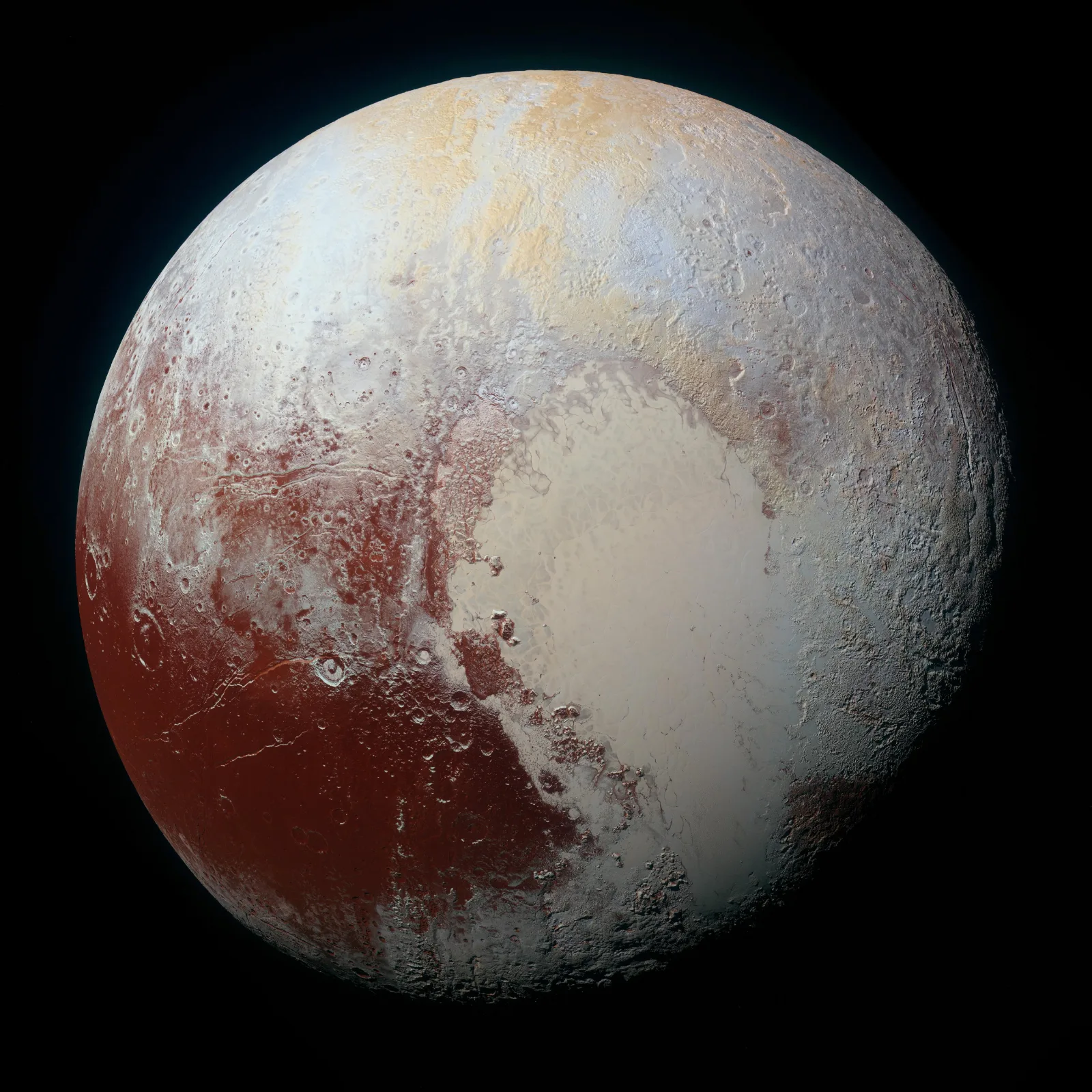
- Pluto in enhanced colour, showing a pale heart shaped plain beside dark reddish terrain.: NASA/JHUAPL/SwRIPublic domain
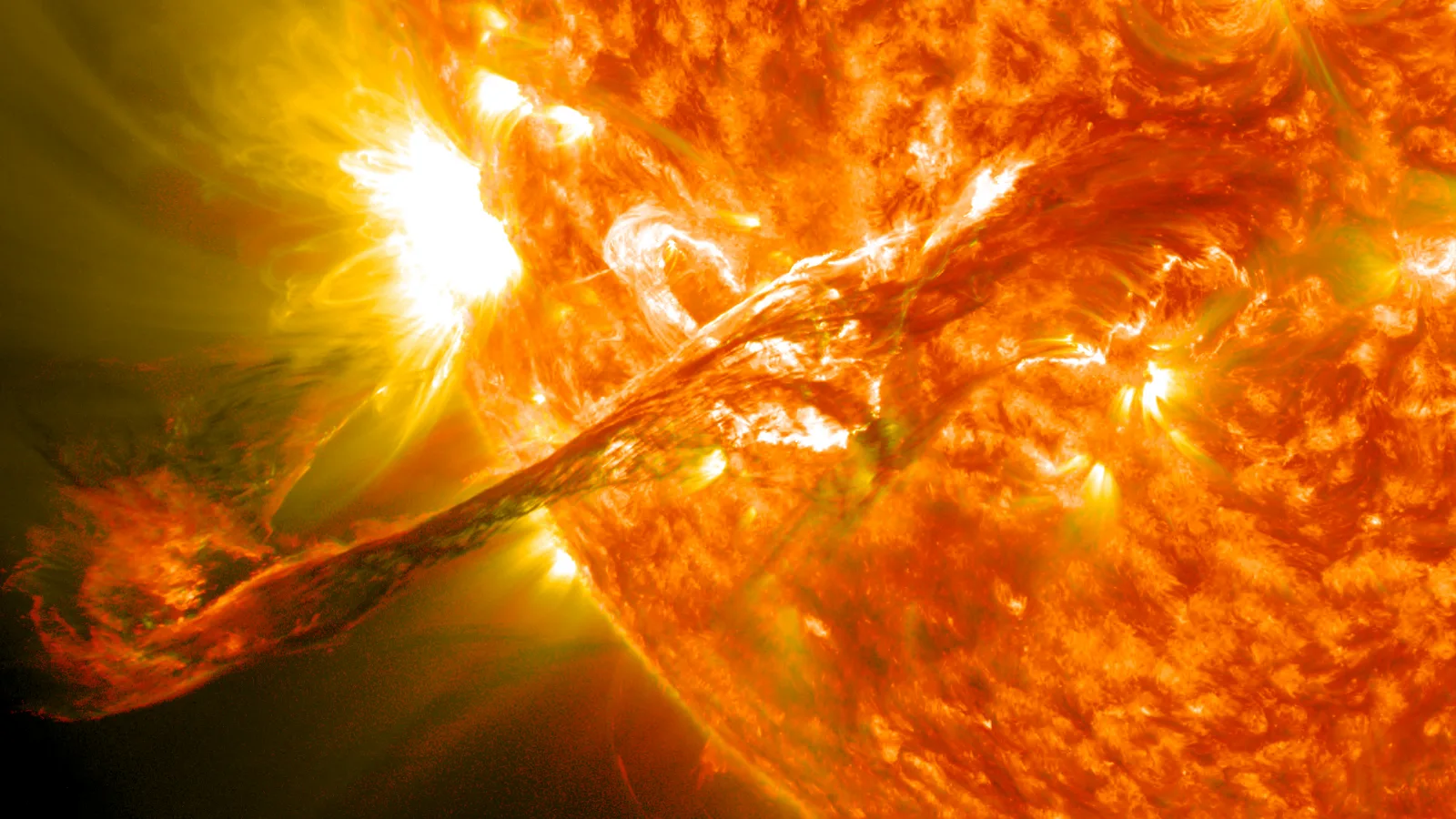
- A close view of the Sun's fiery orange surface as a long twisting filament of glowing material erupts into space.: NASA/GSFC/SDOPublic domain
Sources
Every answer shown here was checked against two sources, listed below. Links last checked 5 November 2026.
- Mercury: Factsscience.nasa.gov
- Mercury (planet) - Wikipediaen.wikipedia.org
- Mars: Facts - NASA Sciencescience.nasa.gov
- Mars - Wikipediaen.wikipedia.org
- About the Planetsscience.nasa.gov
- Solar System - Wikipediaen.wikipedia.org
- Jupiter Factsscience.nasa.gov
- Jupiter - Wikipediaen.wikipedia.org
- Saturn: Facts - NASA Sciencescience.nasa.gov
- Saturn - Wikipediaen.wikipedia.org
- Sun: Facts - NASA Sciencescience.nasa.gov
- Sun - Wikipediaen.wikipedia.org
- Neptune: Facts - NASA Sciencescience.nasa.gov
- Neptune - Wikipediaen.wikipedia.org
- Facts About Earthscience.nasa.gov
- Earth - Wikipediaen.wikipedia.org
- Venus: Facts - NASA Sciencescience.nasa.gov
- Venus - Wikipediaen.wikipedia.org
- Sunlight - Wikipediaen.wikipedia.org
- Pluto: Facts - NASA Sciencescience.nasa.gov
- Pluto - Wikipediaen.wikipedia.org
- Olympus Mons - Wikipediaen.wikipedia.org
- Asteroid Factsscience.nasa.gov
- Asteroid belt - Wikipediaen.wikipedia.org
- Uranus: Facts - NASA Sciencescience.nasa.gov
- Uranus - Wikipediaen.wikipedia.org
More templates
Start free
Run it live with your group.
Players join from their phones with a PIN. No app to install, free for up to 100 participants per session.