
Quiz template · Trivia · Updated
Greek mythology trivia questions and answers
20 questions on the Greek gods and heroes: Zeus, Poseidon, Hades, Pegasus, the labours of Heracles, the Minotaur, Medusa, Pandora and the Muses, with answers.

A mythology round for a quiz night, a party or a classics lesson, pitched so that anyone who read the myths as a child can score. The gods come first, Zeus, Poseidon, Hades, Hera and Hermes, then the heroes and monsters: Heracles, Theseus, Achilles, Odysseus, Medusa and Pegasus. The last five are for the real enthusiasts, with Orpheus, Charon and what Pandora really opened. Every answer is checked against two sources. Twenty questions take about 15 minutes.
Who was king of the Greek gods, ruling from Mount Olympus and throwing thunderbolts?Easy

- Zeus
, the right answer - Hades
- Apollo
- Ares
Answer: A. Zeus. Zeus overthrew his father Cronus to take the throne. The Romans called him Jupiter, and Mount Olympus is a real mountain in northern Greece, the country's highest.
- Zeus
Who ruled the sea and carried a three-pronged trident?Easy

- Hermes
- Poseidon
, the right answer - Hephaestus
- Dionysus
Answer: B. Poseidon. Poseidon also ruled earthquakes and horses, and was a brother of Zeus. The Romans knew him as Neptune, the name you still see on the planet.
Hades, another brother of Zeus, ruled over which realm?Easy
- The sky
- The forests
- The underworld
, the right answer - The mountains
Answer: C. The underworld. The Greeks avoided saying his name and called him Plouton, the rich one, probably because wealth comes from under the ground. The Romans turned that into Pluto.
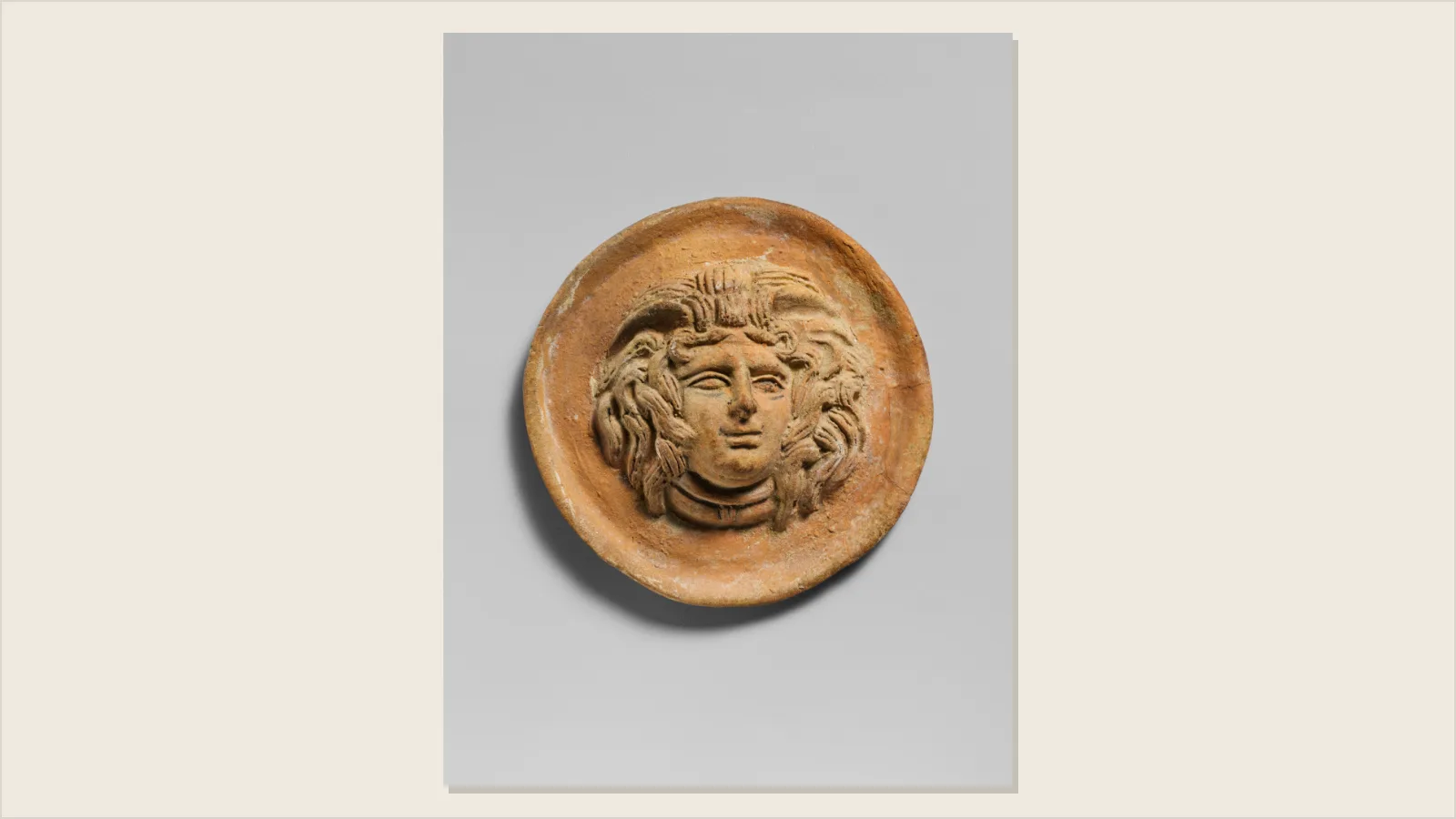
Which winged horse sprang from the blood of Medusa when Perseus cut off her head?Easy
- Cerberus
- Pegasus
, the right answer - Chimera
- Hydra
Answer: B. Pegasus. The hero Bellerophon rode Pegasus to kill the Chimera. In the end Zeus placed the horse among the stars, and the constellation still carries his name.
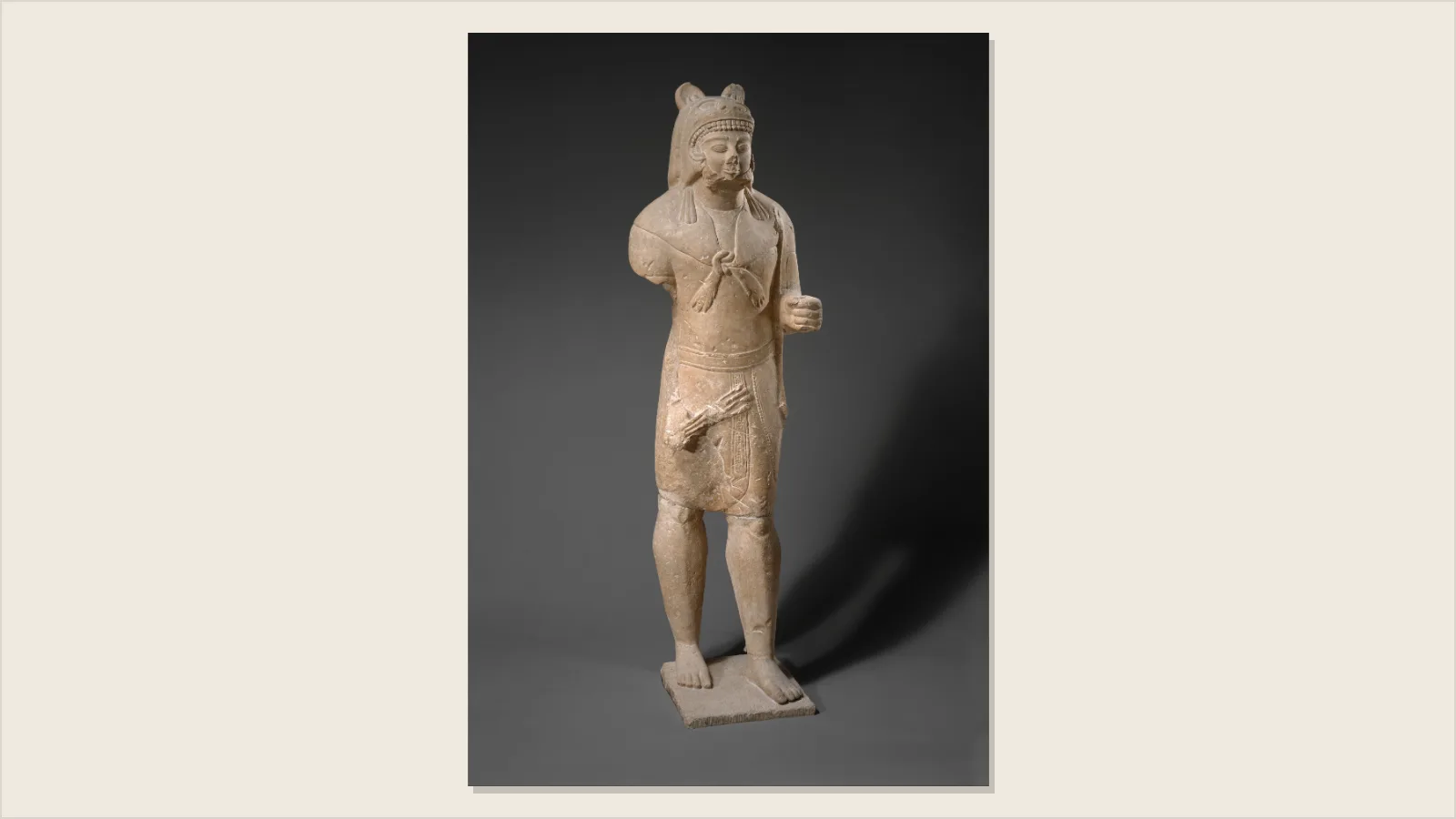
How many labours did the hero Heracles, called Hercules by the Romans, have to complete?Easy
- 7
- 10
- 12
, the right answer - 20
Answer: C. 12. King Eurystheus first set ten, then refused to count two of them, so Heracles did twelve. They include the Nemean lion, the Hydra and bringing Cerberus up from the underworld.
Which Titan stole fire from the gods and gave it to humans?Medium

- Prometheus
, the right answer - Atlas
- Cronus
- Hyperion
Answer: A. Prometheus. Zeus had him chained to a rock where an eagle ate his liver every day, and it grew back every night. Heracles eventually shot the eagle and set him free.
- Prometheus
Which Titan was condemned to hold up the sky for eternity?Medium
- Oceanus
- Helios
- Atlas
, the right answer - Prometheus
Answer: C. Atlas. It was his punishment for siding with the Titans against Zeus. A book of maps is called an atlas because the map maker Mercator named his collection after him in the 1500s.
Who was the wife of Zeus and queen of the gods?Medium
- Demeter
- Hestia
- Persephone
- Hera
, the right answer
Answer: D. Hera. Hera was the goddess of marriage, and the peacock became her bird. The Romans called her Juno.
Who was the messenger of Olympus, famous for his winged sandals?Medium
- Apollo
- Hermes
, the right answer - Ares
- Hephaestus
Answer: B. Hermes. Hermes also guided the dead to the underworld and looked after travellers, merchants and thieves. He carried a staff with two snakes wound round it, the caduceus.
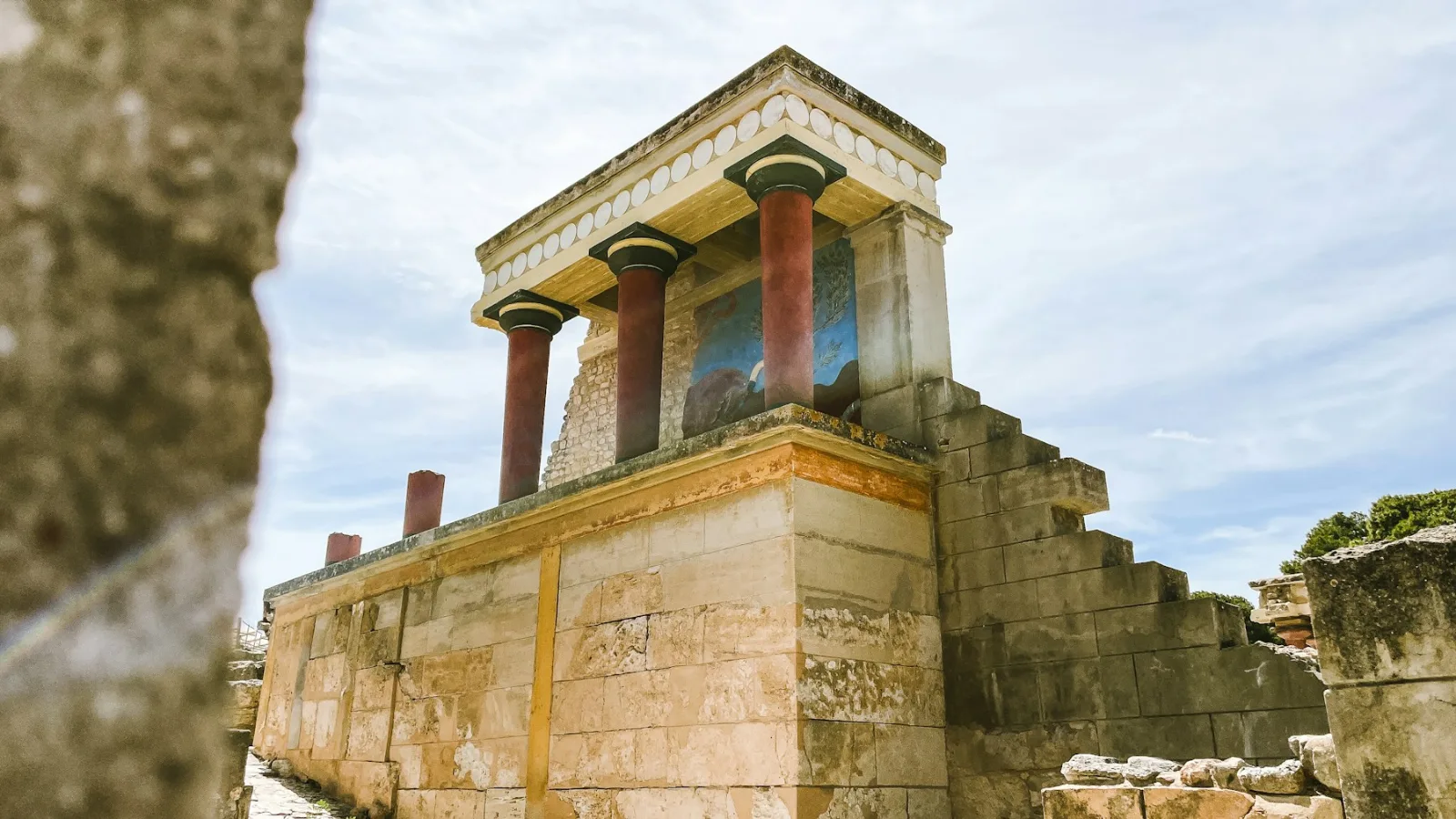
Which hero killed the Minotaur in the Labyrinth on Crete?Medium
- Theseus
, the right answer - Perseus
- Jason
- Achilles
Answer: A. Theseus. Princess Ariadne gave him a ball of thread so he could find his way back out. The Minotaur, half man and half bull, was fed on young Athenians sent as tribute.
- Theseus
Persephone had to spend part of every year in the underworld because she ate the seeds of which fruit there?Medium
- Apple
- Fig
- Pomegranate
, the right answer - Grape
Answer: C. Pomegranate. Her mother Demeter, goddess of the harvest, grieves while she is below, and nothing grows. The Greeks used the story to explain the barren months of the year.
True or false: anyone who looked at Medusa was turned to stone.Easy
- True
, the right answer - False
Answer: A. True. She had snakes for hair and was one of the three Gorgon sisters. Perseus beheaded her by watching her reflection in a polished shield instead of looking straight at her.
- True
Which Greek hero of the Trojan War had one weak spot, his heel?Medium
- Odysseus
- Hector
- Achilles
, the right answer - Paris
Answer: C. Achilles. His mother Thetis dipped him in the river Styx as a baby, holding him by the heel, so that one spot stayed mortal. The tendon at the back of your ankle is named after him.
Odysseus took ten years to sail home from Troy. Which island was he trying to reach?Medium
- Crete
- Ithaca
, the right answer - Rhodes
- Lesbos
Answer: B. Ithaca. His wife Penelope held off a houseful of suitors by weaving a shroud by day and unpicking it at night. Homer tells the whole journey in the Odyssey.
Which musician went down to the underworld to bring back his wife Eurydice?Hard
- Pan
- Apollo
- Arion
- Orpheus
, the right answer
Answer: D. Orpheus. His lyre so charmed Hades that she was allowed to follow him out, on one condition: he must not look back until they reached the light. He looked, and lost her.
We say Pandora opened a box and let out the evils of the world. In the original Greek story, what did she open?Hard
- A jar
, the right answer - A cave
- A chest of gold
- A book
Answer: A. A jar. Hesiod wrote pithos, a large storage jar. The scholar Erasmus is usually blamed for turning it into pyxis, a box, in the 1500s. Only hope stayed inside.
- A jar
Who was the ferryman who rowed the dead across the river into the underworld?Hard
- Chiron
- Charon
, the right answer - Castor
- Cronus
Answer: B. Charon. The Greeks buried their dead with a coin in the mouth to pay his fare. Chiron, with the similar name, was the wise centaur who taught Achilles.
True or false: Cerberus, the dog that guarded the gates of the underworld, was usually said to have three heads.Easy
- True
, the right answer - False
Answer: A. True. Nobody who went in got out past him. Capturing him alive was the last of the labours of Heracles, and Orpheus got past him by playing his lyre.
- True
Which king was granted a wish and found that everything he touched turned to gold?Easy
- Minos
- Priam
- Agamemnon
- Midas
, the right answer
Answer: D. Midas. Dionysus granted the wish and took it back when Midas could no longer eat or drink. In another story Apollo gave him donkey's ears for judging a music contest badly.
The Muses were the goddesses of poetry, music, dance and the other arts. In the usual count, how many Muses were there?Hard
- 3
- 7
- 9
, the right answer - 12
Answer: C. 9. They were daughters of Zeus and Mnemosyne, the goddess of memory. The word museum means a place of the Muses, and so does music.
That's all 20. Host it live and everyone answers on their phone, with a leaderboard after each question.
How to run it
- Play in teams at a quiz night, one phone per table, or one player each in a classroom. The names are the hard part, so leave the options on the screen for the whole timer.
- Read the explanations after each answer. Most add a second story, such as why Persephone spends half the year underground.
- Question 20 asks for a number, so it settles a tie. Keep it last if you shuffle the rest.
Made for a pub or party night. See how a trivia night works or read the guide to hosting one.
Questions about this template
Which myths does the quiz cover?
The Olympian gods, the Titans Prometheus and Atlas, the heroes Heracles, Theseus, Achilles and Odysseus, the monsters Medusa, Cerberus and the Minotaur, and stories such as Pandora's jar, King Midas and Orpheus in the underworld. Every answer is checked against two sources.
Is it suitable for a school class?
Yes. It sticks to the stories told in children's retellings and classics lessons, and the explanations add the detail a teacher would. The first fifteen suit students from about age 11; the last five are harder.
How do we play it live?
Press Go live and put the PIN or QR code on the screen. Everyone joins from their phone, answers each question and sees the leaderboard, with extra points for speed. The free plan covers 100 players in a session.
Does anyone need an app?
No. Players open the link or scan the code in a browser, type the PIN and a name, and play. Only the host needs a RiLiFi account, and you can edit any question after you make a copy.
Sources
Every answer shown here was checked against two sources. 40 pages on 2 sites, links last checked 19 November 2026.
- britannica.com20
- en.wikipedia.org20
All 40 source pages
- Zeus - Wikipediaen.wikipedia.org
- britannica.com
- Poseidon - Wikipediaen.wikipedia.org
- britannica.com
- Hades - Wikipediaen.wikipedia.org
- britannica.com
- Pegasus - Wikipediaen.wikipedia.org
- britannica.com
- Labours of Hercules - Wikipediaen.wikipedia.org
- britannica.com
- Prometheus - Wikipediaen.wikipedia.org
- britannica.com
- Atlas (mythology) - Wikipediaen.wikipedia.org
- britannica.com
- Hera - Wikipediaen.wikipedia.org
- britannica.com
- Hermes - Wikipediaen.wikipedia.org
- britannica.com
- Theseus - Wikipediaen.wikipedia.org
- britannica.com
- Persephone - Wikipediaen.wikipedia.org
- britannica.com
- Medusa - Wikipediaen.wikipedia.org
- britannica.com
- Achilles - Wikipediaen.wikipedia.org
- britannica.com
- Odysseus - Wikipediaen.wikipedia.org
- britannica.com
- Orpheus - Wikipediaen.wikipedia.org
- britannica.com
- Pandora's box - Wikipediaen.wikipedia.org
- britannica.com
- Charon - Wikipediaen.wikipedia.org
- britannica.com
- Cerberus - Wikipediaen.wikipedia.org
- britannica.com
- Midas - Wikipediaen.wikipedia.org
- britannica.com
- Muses - Wikipediaen.wikipedia.org
- britannica.com
Picture credits
- Forested mountain slopes and rocky cliffs of a deep gorge on Mount Olympus in Greece under a cloudy sky, by Stefanos KeramarisUnsplash License
- Rough open sea with foaming waves stretching to the horizon under a hazy low sun, by Ran DingUnsplash License
- Ancient Greek terracotta roundel with a relief of a woman's face framed by snaky locks of hair, by Greek, Hellenistic, 2nd century BCE, The Metropolitan Museum of ArtCC0
- Ancient limestone statue of a bearded hero wearing a lion skin over his head and shoulders, by Cypriot, Archaic, ca. 530-520 BCE, The Metropolitan Museum of ArtCC0
- Bright orange flames rising from burning logs and glowing embers against the dark of night, by Esther VexlerUnsplash License
- Restored red columns and stone walls of an ancient palace ruin on Crete under a pale sky, by Jametlene ReskpUnsplash License
More templates
Start free
Run it live with your group.
Players join from their phones with a PIN. No app to install, free for up to 100 participants per session.